
Indonesia and the Amsterdam School
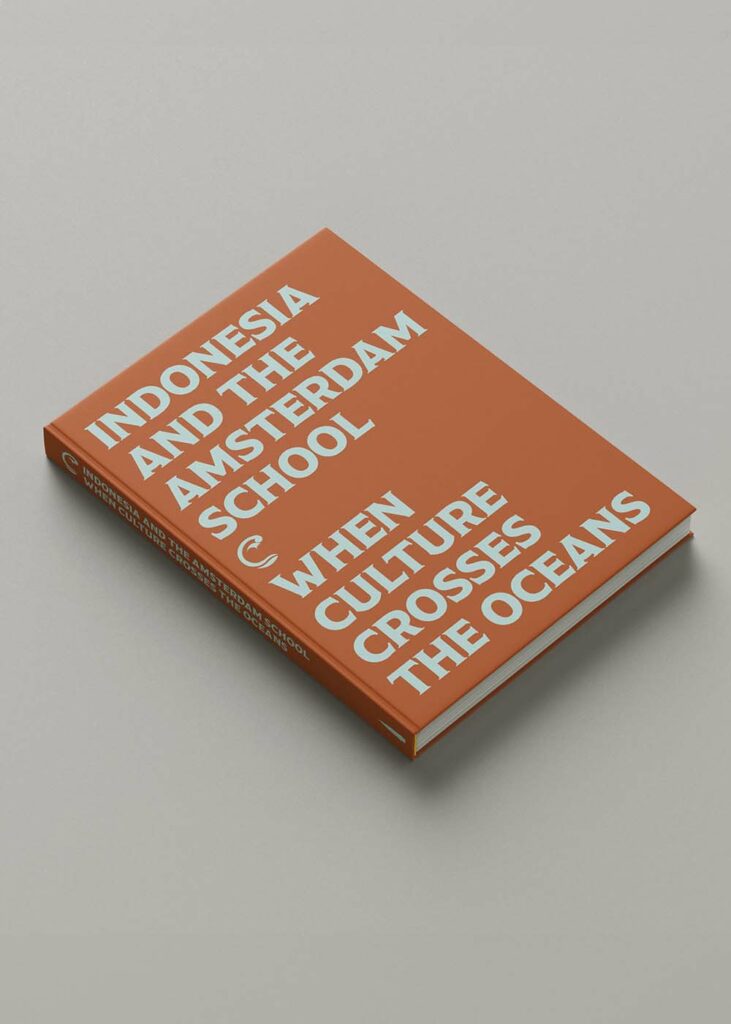
The Amsterdam School (c. 1910-1930) is famous for its expressive brick architecture and richly decorated interiors. But what sources of inspiration informed these wonderous designs? This book shows how the colonial relationship between the Netherlands and Indonesia, the former Dutch East Indies, profoundly shaped the style of the Amsterdam School.
Seeking inspiration from the enlivening world of beauty they hoped to create, the architects and designers of the Amsterdam School latched onto all things ‘foreign’. Of particular fascination were the objects, art forms, and symbols that found their way to Europe from colonial Indonesia. Uniting the history of architecture and design, this book revolves around the question: what happens when culture crosses the oceans?
In its attempt to answer this question, this book includes contributions by authors form both sides of that ocean – Indonesia and the Netherlands. Their essays examine buildings, objects, projects, people and processes in both countries that tell a larger story of cultural exchange, colonial encounter, and their enduring legacies.
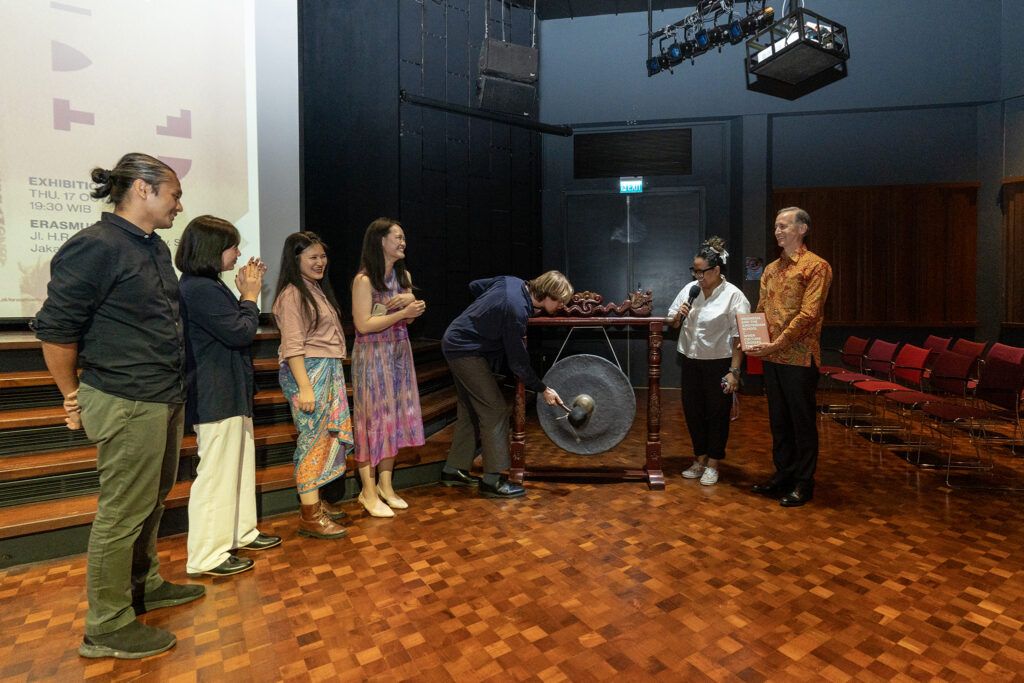
The book was launched at the opening of the exhibition Indonesia and the Amsterdam School. Merging Worlds in Architecture and Design in the Erasmus Huis in Jakarta. A group of Indonesian musea directors and designers were invomved in preparing the exhibition and the book, together with the curator of Museum Het Schip. A translation of the book can be downloaded freely from the website of Museum Het Schip. That way it is also accessible for the Indonesian.
With the generous help of the Marinus Plantema Foudation, this book could be translated into Indonesian, and be distributed online for free. Hereby, we hope to foster knowledge exchange and face the legacies of colonialism together and in equality.